7 Things to Check Before Making an Offer on a Propertyle

Buying a property is exciting, but making an offer too quickly can lead to expensive mistakes. Whether you are purchasing your first home, upgrading, downsizing or investing, a few simple checks can help you make a more confident decision.
The first thing to understand is the **true value of the property**. Do not rely only on the advertised price. Look at recent comparable sales in the same suburb, particularly properties with similar land size, bedrooms, condition and location. This will give you a better idea of what buyers are actually paying.
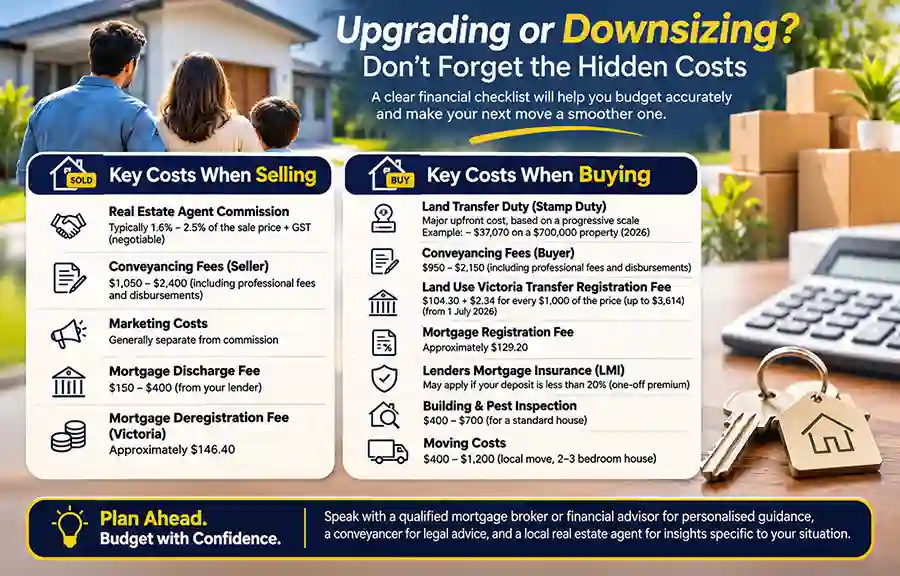
Next, check the **condition of the property**. A home may look attractive during an inspection but still have hidden issues such as structural movement, water damage, roofing problems or pest activity. For established houses, a professional building and pest inspection can be an important part of your due diligence.
You should also review the **Section 32 Vendor Statement and contract of sale** carefully. These documents can contain information about title restrictions, easements, planning matters, outgoings and other legal issues. A conveyancer or solicitor should review them before you make an unconditional commitment.
Another important step is confirming your **finance position**. A pre-approval is useful, but it is not the same as final loan approval. Interest rates, lender valuations and changes in your financial circumstances can all affect how much a bank is prepared to lend.
Location should be assessed beyond the street itself. Consider access to schools, public transport, shopping, employment, parks and future infrastructure. In Melbourne’s western growth corridor, planned roads, rail upgrades, new town centres and community facilities can significantly influence long-term demand.
If you are buying an investment property, calculate the numbers before becoming emotionally attached. Look at expected rent, vacancy risk, property management costs, rates, insurance, maintenance and mortgage repayments. A property with a lower purchase price is not automatically a better investment if the ongoing cash flow is weak.
Finally, think about your **exit strategy**. Ask yourself whether the property would still appeal to future buyers or tenants if your circumstances change. Homes with practical floorplans, good transport access and broad buyer appeal can often be easier to resell.
The strongest property decisions are usually made before the offer is submitted, not after the contract is signed. Taking time to research the property, understand the numbers and seek professional advice can help reduce risk and give you greater confidence when negotiating your next purchase.