

Canberra’s Landmark Rezoning Reforms Could Transform Residential Living and Create New Opportunities for Home Buyers, Property Owners and Investors
As the ACT Government Introduces “Missing Middle” Housing Reforms, Established Suburbs Could Welcome More Townhouses, Duplexes, Terraces and Low-Rise Apartments—Expanding Housing Choice While Supporting Sustainable Urban Growth, Better Affordability and Stronger Community Development
Canberra’s housing landscape is entering one of its most important planning changes in recent years. From 1 July 2026, the ACT Government’s “Missing Middle Housing” reforms allow more low-rise, medium-density housing across RZ1 and RZ2 residential zones. This means more opportunities for duplexes, triplexes, terraces, townhouses and low-rise apartments in established suburbs.
The purpose of these reforms is not to turn every quiet street into a high-rise precinct. Instead, the goal is to create more housing choice between traditional detached houses and large apartment towers. This “middle” style of housing is designed to support families, downsizers, first-home buyers, multigenerational households and people who want to live closer to shops, transport, schools and services.
The ACT Government has linked these planning changes to its broader housing target of enabling 30,000 new homes by 2030, with a focus on delivering more homes within existing urban areas rather than relying only on outer expansion.
🏘️ Canberra Rezoning: Key Facts
What Is “Missing Middle” Housing?
“Missing middle” housing refers to homes that sit between detached houses and high-rise apartments. These include dual occupancies, townhouses, terrace homes, triplexes and smaller apartment buildings.
For many Australian cities, this type of housing is becoming increasingly important. Detached homes are becoming expensive for many buyers, while high-rise apartments may not suit every family or lifestyle. Medium-density housing can offer a practical alternative: more affordable than many standalone homes, more spacious than many apartments and often better connected to existing suburbs.
Why Canberra Is Making This Change
Canberra has a large amount of land zoned for single homes. While this has helped create the city’s well-known suburban character, it has also limited housing diversity in many established areas.
The new planning changes aim to make better use of existing suburbs by allowing more homes close to transport, shops, schools and community facilities. The ACT Planning Authority says the reforms are intended to support housing choice, limit urban sprawl and create more walkable neighbourhoods.
This is a major shift because future housing supply will not only come from new estates. It will also come from carefully designed infill development within existing suburbs.
🤔 What “Missing Middle” Housing Means
| Housing Type | Why It Matters |
|---|---|
| Duplexes & Triplexes | More homes on suitable blocks without high-rise buildings. |
| Townhouses | Good option for families wanting space with lower maintenance. |
| Terrace Homes | Compact, urban-style living close to services and transport. |
| Low-Rise Apartments | More affordable choices in established suburbs. |
| Infill Development | More homes within existing suburbs instead of only expanding outward. |
Denman Prospect Shows What the Future Could Look Like
One suburb already showing how this style of housing can work is Denman Prospect in the Molonglo Valley. RealEstate.com.au highlighted Denman Prospect as an example of a masterplanned suburb combining townhomes, terraces, low-rise apartments, parks, green corridors and village-style retail.
Developments such as Park Lane, Edition 116, Elm Lane, Denman Peninsula, Miru, Central Park and The Borough show different forms of low-rise and medium-density housing. These projects include features such as courtyards, shared green spaces, rooftop solar, EV charging, double glazing, private entries and family-friendly layouts.
The key lesson is that density does not have to mean poor design. When planned properly, medium-density housing can support liveability, privacy, community connection and better use of land.
What This Means for Buyers
For buyers, the reforms may create more choice in locations that were previously dominated by detached homes. This could be especially important for first-home buyers who want to enter established suburbs but cannot afford a standalone house.
Townhouses and terraces may also appeal to families who want more space than an apartment but less maintenance than a large block. Downsizers may also benefit if more low-maintenance homes become available in suburbs where they already live.
However, buyers must still do proper research. Not every block will have the same development potential, and not every project will offer the same quality. Location, design, parking, privacy, body corporate rules, energy efficiency and future resale demand should all be considered carefully.
What This Means for Homeowners
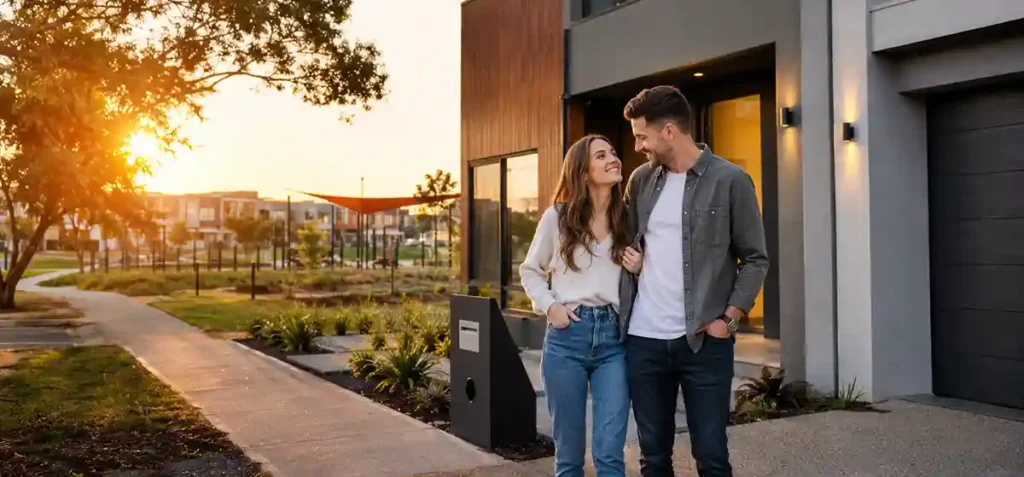
For homeowners, rezoning can create new possibilities. Some owners may explore dual occupancy, subdivision, townhouse development or joint ventures with builders and developers.
However, development is not automatic. Site size, planning rules, design requirements, trees, access, neighbour impact, lease conditions and construction feasibility still matter. The ACT Government has also introduced a Missing Middle Housing Design Guide to support better design outcomes, including respect for street character, tree retention and neighbour amenity.
For property owners, the biggest opportunity may be understanding the true potential of their land before making decisions.
What This Means for Investors
For investors, Canberra’s rezoning reforms could create new long-term opportunities. Medium-density housing in established suburbs may appeal to renters who want location, convenience and lifestyle without the cost of detached homes.
Investors should look for areas with strong rental demand, transport access, employment nodes, universities, government offices, hospitals, shopping precincts and future infrastructure. The most attractive opportunities may come from well-designed projects that offer both liveability and long-term land value.
The ACT Government has also announced a time-limited 50% reduction in Lease Variation Charge for eligible missing middle developments, aiming to reduce development costs and support more housing delivery.
RAVS Realtors Market View
“Rezoning does not simply change what can be built — it changes how buyers, homeowners and investors should think about future suburb value.”
— RAVS Realtors Market InsightCanberra’s rezoning reforms are part of a broader Australian trend: governments are looking for ways to increase housing supply, improve affordability and make better use of existing suburbs.
For buyers, this means more housing options may become available over time. For sellers and homeowners, it may increase the importance of understanding land value and development potential. For investors, it highlights the need to study planning changes, not just property prices.
The future of Australian real estate will not only be shaped by interest rates and short-term market cycles. It will also be shaped by planning reform, housing supply, population growth and the way our suburbs evolve.
At RAVS Realtors, we believe informed property decisions start with understanding both the current market and the future potential of each location. Whether you are buying, selling, investing or exploring development opportunities, careful research and professional guidance are essential.