
Victoria is experiencing one of the most significant infrastructure investment phases in its history — and the impact on real estate is already visible. From transport upgrades to urban renewal projects, infrastructure development is reshaping where people live, work, and invest.
For home buyers, investors, and developers alike, understanding how infrastructure drives property growth is essential. In this article, we explore how Victoria’s major infrastructure projects are transforming suburbs, boosting demand, and creating long-term property value across the state.
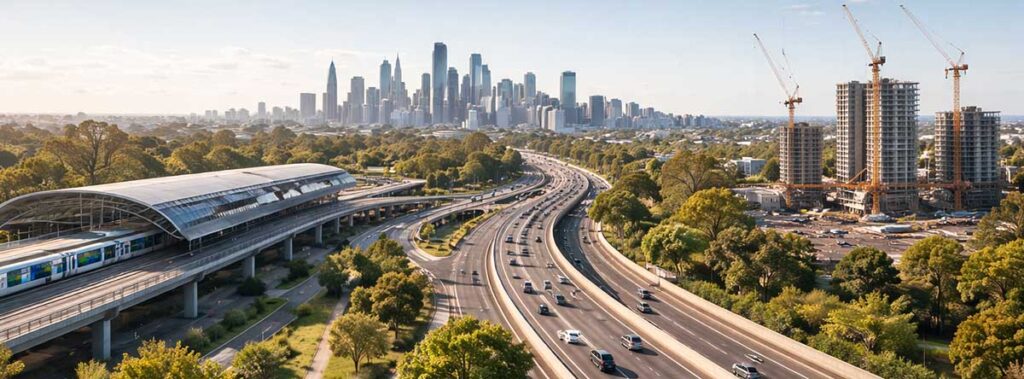
Why Infrastructure Matters in Real Estate
Infrastructure is one of the strongest drivers of property value. When governments invest in transport, roads, hospitals, schools, and community facilities, suburbs become more accessible, liveable, and desirable.
Strong infrastructure leads to:
- Improved connectivity and reduced commute times
- Increased demand from buyers and renters
- Higher capital growth over time
- Greater employment opportunities
- Urban renewal and lifestyle upgrades
In Victoria, infrastructure investment is not just improving the present — it’s shaping the future property map.
The Suburban Rail Loop: A Game-Changer for Melbourne
One of the most transformative projects currently underway is the Suburban Rail Loop (SRL). This city-shaping rail network will connect Melbourne’s middle-ring suburbs without requiring travel through the CBD.
Why SRL is a property growth catalyst

- Connects key hubs like Box Hill, Burwood, Clayton, and Doncaster
- Encourages high-density, mixed-use developments
- Creates new employment zones and education precincts
- Reduces reliance on cars and city congestion
Suburbs located along the SRL corridor are already seeing increased buyer interest, particularly from families and long-term investors anticipating future growth.
Metro Tunnel Project: Unlocking Inner and Middle Suburb Demand
The Metro Tunnel will increase Melbourne’s rail capacity and reduce congestion across multiple train lines.
Property impact
- Faster and more reliable train services
- Improved access to employment hubs
- Increased appeal of inner and middle-ring suburbs
- Stronger rental demand near stations
Suburbs connected to upgraded train networks typically outperform in price growth due to improved convenience and accessibility.
West Gate Tunnel & North East Link: Road Connectivity Boost
Road infrastructure plays a major role in outer and growth suburbs, where car travel remains essential.
Key benefits of major road projects
- Reduced travel times
- Improved freight movement
- Better connectivity between residential and business hubs
- Increased appeal for families and professionals
Projects like the West Gate Tunnel and North East Link are significantly enhancing Melbourne’s west and northeast, unlocking suburbs that were previously overlooked.
Regional Victoria: Infrastructure Driving Lifestyle Migration
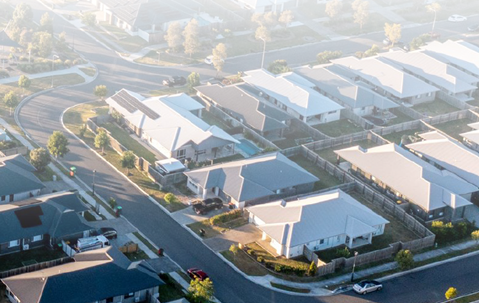
Infrastructure investment isn’t limited to Melbourne. Regional Victoria is benefiting from major upgrades, encouraging buyers to look beyond the city.
Growth regions benefiting most
- Geelong – transport, health, and education expansion
- Ballarat – road upgrades and job creation
- Bendigo – healthcare and rail improvements
- Shepparton – logistics and agricultural infrastructure
Improved connectivity to Melbourne has made regional centres more attractive to families, retirees, and remote workers seeking affordability and lifestyle.
Education, Health & Community Infrastructure
Beyond transport, social infrastructure plays a powerful role in shaping property demand.
Key drivers include
- New schools and university campuses
- Hospital expansions
- Sports and recreation facilities
- Shopping precinct redevelopments
Suburbs near strong education and health infrastructure attract long-term residents, keeping demand stable even during market slowdowns.
How Buyers and Investors Can Benefit
Understanding infrastructure timelines allows buyers to make smarter decisions.
Smart strategies
- Buy early in suburbs with confirmed projects
- Focus on walkability to transport hubs
- Look for areas undergoing urban renewal
- Consider long-term lifestyle appeal, not just price
Infrastructure-led growth is gradual but powerful — rewarding patient buyers and investors who plan ahead.
What This Means for Victoria’s Property Future
Victoria’s ongoing infrastructure expansion is creating:
- New property hotspots
- Stronger outer and middle suburb growth
- Increased demand for townhouses and medium-density housing
- A more connected and liveable state
As infrastructure reshapes how people move and live, property markets will continue to evolve — favouring suburbs with access, convenience, and long-term planning.
Final Thoughts
Infrastructure investment is one of the most reliable indicators of future property growth. Across Victoria, major projects are unlocking new opportunities, improving liveability, and driving demand in both Melbourne and regional centres.
For buyers and investors, staying informed about infrastructure plans can mean the difference between average growth and outstanding long-term returns.
At Ravs Realtors, we help clients identify high-potential areas shaped by future development — ensuring every property decision is strategic, informed, and future-focused.