
📢 A Quiet Policy Change That Could Have a Big Impact
Victoria’s housing market is once again at the center of attention, as proposed changes to property inspection practices begin to spark serious discussion across the real estate industry. While it may seem like a small operational adjustment at first glance, reducing the number of property inspections could fundamentally reshape how buyers, sellers, and investors interact with the market.
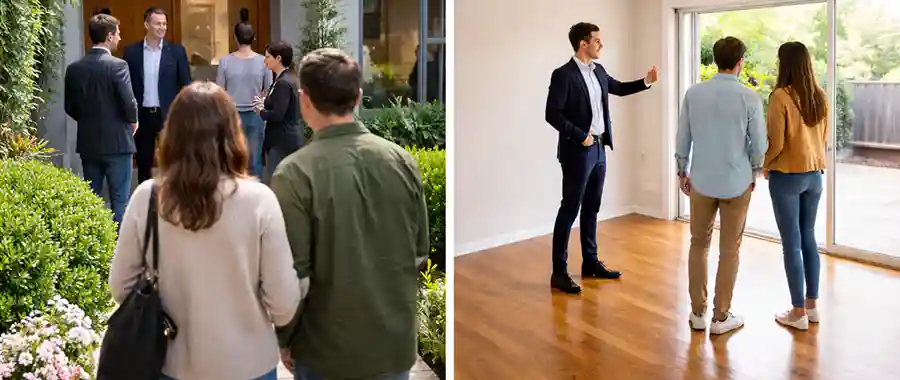
Open home inspections have long been a cornerstone of property transactions in Melbourne and across Victoria. They provide buyers with the opportunity to explore homes in person, assess quality, and build confidence before making one of the biggest financial decisions of their lives. However, with potential limitations on inspections now being considered, the traditional buying process could soon look very different.
🔍 Understanding the Proposed Inspection Changes
The proposed shift focuses on reducing the frequency and availability of open inspections for properties listed for sale. While exact implementation details may vary, the intention is to streamline the sales process, improve efficiency, and potentially address concerns around overcrowding and scheduling challenges.
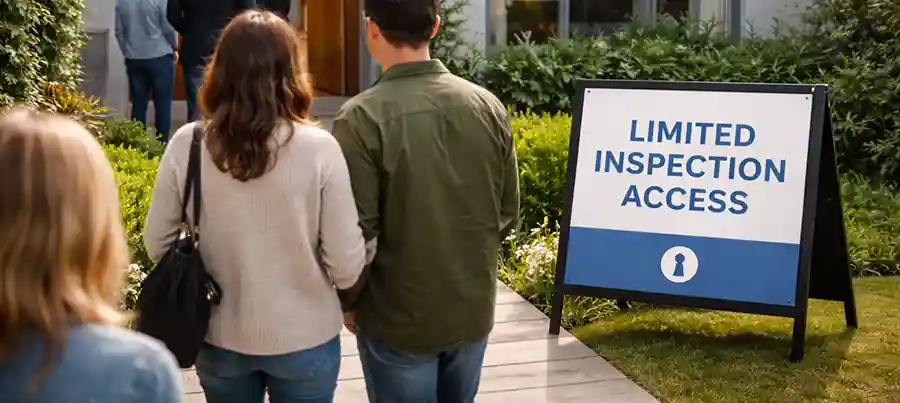
In practice, this could mean fewer advertised inspection times, more controlled viewing access, or even stricter conditions around how and when buyers can visit a property. For an industry that thrives on visibility and accessibility, this represents a significant shift.
🏠 Why Property Inspections Matter More Than You Think
To truly understand the impact of these changes, it’s important to recognize the critical role inspections play in the real estate journey. For buyers, inspections are not just casual visits — they are essential decision-making tools.
Walking through a property allows buyers to evaluate layout, condition, natural lighting, neighborhood atmosphere, and overall suitability. It also gives them the chance to revisit properties multiple times, compare options, and make informed choices without pressure.
For sellers, inspections serve as a powerful marketing tool. A well-attended open home can create competition, urgency, and emotional engagement among buyers — all of which contribute to stronger offers and higher final sale prices.
Reducing this interaction could remove a key layer of transparency and excitement from the market.
⚖️ Potential Benefits of Fewer Inspections
Despite the concerns, there are some potential advantages to a more controlled inspection process.
From a seller’s perspective, fewer inspections may mean dealing only with serious buyers rather than large numbers of casual visitors. This can reduce disruption to daily life and create a more streamlined sales experience.
For agents, managing fewer but more targeted inspections could improve efficiency, allowing them to focus on qualified buyers and move transactions forward more quickly.
Additionally, in some cases, reduced inspections may create a sense of urgency among buyers, encouraging faster decision-making and potentially quicker sales.
📉 The Hidden Risks for Sellers and Agents
However, the downsides of limiting inspections could outweigh the benefits — especially in a competitive market like Victoria.
One of the biggest risks is reduced buyer exposure. Fewer inspection opportunities mean fewer people physically experiencing the property, which can directly impact demand. In real estate, visibility often drives value, and anything that limits exposure can weaken competition.
Without strong competition, sellers may struggle to achieve premium prices. Auctions, which rely heavily on emotional bidding and crowd energy, could become less effective if fewer buyers have had the chance to engage with the property beforehand.
Agents may also find it harder to build momentum for listings, as inspections play a crucial role in generating interest and creating buzz in the market.
👥 Buyer Challenges: More Pressure, Less Confidence
For buyers, the impact could be even more significant. Purchasing a property is already a high-pressure decision, and reducing inspection opportunities could intensify that pressure.
With fewer chances to visit a property, buyers may feel rushed into making decisions without fully understanding what they are purchasing. This can lead to hesitation, increased reliance on online information, or even withdrawal from the market altogether.
Confidence is a key factor in property transactions, and anything that reduces transparency or limits access can weaken buyer trust.
💻 The Rise of Digital Inspections and Virtual Tours
As physical inspections become more limited, technology is expected to play a bigger role in the buying process.
Virtual tours, video walkthroughs, and 3D property experiences are likely to become more common, offering buyers alternative ways to explore homes remotely. These tools can provide convenience and accessibility, especially for interstate and international buyers.
However, while digital solutions are improving rapidly, they still cannot fully replicate the experience of physically being in a property — something that remains crucial for many buyers.
🌏 What This Means for Overseas Investors
For international investors, including Sri Lankans exploring opportunities in Australia, these changes introduce a new layer of complexity.
On one hand, a more structured inspection process combined with digital tools could make it easier to shortlist and evaluate properties remotely. On the other hand, reduced physical access may increase reliance on agents, reports, and virtual assessments — all of which require a higher level of trust and due diligence.
Investors will need to be more strategic, ensuring they work with reliable professionals and conduct thorough research before making decisions.
📊 Market Impact: Will Prices Rise or Fall?
The long-term impact on property prices remains uncertain and will depend on how buyers and sellers adapt to the new system.
If reduced inspections lead to lower competition, price growth in some areas may slow down. However, if demand remains strong and supply continues to be limited, prices could remain stable or even increase despite fewer inspections.
In high-demand suburbs, strong fundamentals such as location, infrastructure, and lifestyle appeal will likely continue to support property values regardless of inspection changes.
🔮 The Future of Property Transactions in Victoria
Victoria’s real estate market is no stranger to change, and this could be another step toward a more modern, technology-driven system.
We may see the emergence of hybrid models that combine limited physical inspections with advanced digital experiences. Buyers could rely more on data, analytics, and virtual tools, while sellers adapt their strategies to maintain engagement and competition.
The key question is not whether the market will change — but how quickly it will adapt.
✨ Final Thoughts: A Market in Transition
The proposed reduction in property inspections may seem like a minor adjustment, but its impact could be far-reaching. From buyer behavior to seller strategies and overall market dynamics, every aspect of the real estate process could be affected.
For buyers, the focus will be on making confident decisions with less physical access. For sellers, it will be about finding new ways to attract and engage serious buyers. And for investors, it will mean adapting to a changing landscape where information and strategy matter more than ever.
As Victoria’s property market continues to evolve, one thing remains clear — those who stay informed and flexible will be best positioned to succeed in this new environment.