
How the Refinery Fire Could Disrupt Fuel Supply and Prices Across Australia
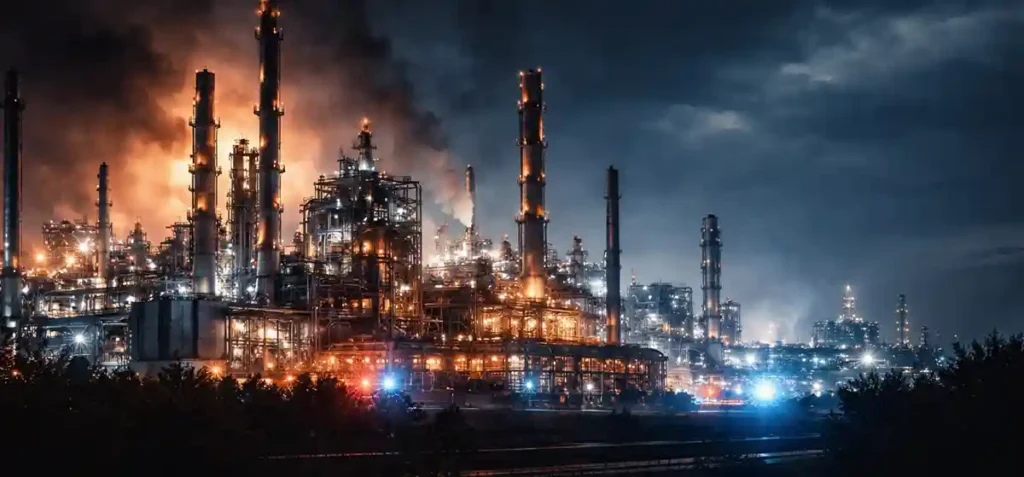
Australia is facing growing concern after an unprecedented fire broke out at a major oil refinery, raising serious questions about short-term petrol availability and fuel price stability across the country. While emergency crews quickly responded to contain the blaze, early reports suggest that the disruption could have a wider impact on fuel distribution networks and national supply chains.
This incident comes at a time when global energy markets are already sensitive, meaning even a short-term shutdown of refinery operations can create ripple effects far beyond the immediate location.
🔥 What Happened at the Refinery?
According to early reports, a significant fire erupted within the operational section of an Australian oil refinery facility, triggering emergency shutdown procedures. Workers were evacuated safely, and firefighting teams were deployed immediately to bring the situation under control.
Although the full cause is still under investigation, such incidents in fuel processing plants are treated with extreme seriousness due to the highly flammable nature of crude oil and refined petroleum products.
Authorities have confirmed that production at the site has been temporarily halted while safety inspections and damage assessments are carried out.
⛽ Why This Incident Matters for Fuel Supply
Oil refineries play a critical role in converting crude oil into usable fuel such as petrol, diesel, and aviation fuel. When a major facility is forced offline, even temporarily, the impact can quickly spread through:
- Fuel distribution terminals
- Transport and logistics networks
- Retail petrol stations
- Wholesale fuel pricing markets
Australia, like many countries, relies on a carefully balanced supply chain. A sudden reduction in refining capacity means supply has to be adjusted quickly, often by increasing imports or redistributing stock from other regions.
This creates short-term pressure on availability and pricing, especially in high-demand urban areas.
📈 Possible Impact on Petrol Prices
While it is too early to predict the full financial impact, analysts typically expect the following short-term effects after refinery disruptions:
- Increased wholesale fuel prices
- Temporary price fluctuations at petrol stations
- Higher transportation and shipping costs
- Possible delays in fuel deliveries to regional areas
Fuel prices are influenced not only by production capacity but also by global crude oil markets. If traders anticipate prolonged disruption, speculative pricing can also push costs upward even before actual shortages occur.
🚚 Ripple Effect on Transport and Economy
Fuel is the backbone of modern logistics. Any disruption in supply can influence multiple sectors almost immediately.
Transport companies may face higher operating costs, which can eventually affect the price of goods, including groceries and essential supplies. Airlines and freight operators could also see short-term cost adjustments if aviation fuel supply becomes tighter.
In many cases, these effects are temporary—but they highlight how dependent modern economies are on uninterrupted fuel refining capacity.
🏙️ What This Means for Households and Daily Life
For everyday consumers, the most noticeable impact—if the disruption continues—would likely be at the petrol pump. Drivers may see small but frequent price changes depending on location and supply availability.
However, authorities typically activate contingency plans in such situations, including:
- Releasing strategic fuel reserves (if needed)
- Importing refined fuel from nearby suppliers
- Redirecting supply from unaffected refineries
These measures are designed to prevent panic shortages and stabilize market conditions.
🧭 Industry Response and Safety Investigations
The refinery operator, along with Australian safety regulators, is expected to conduct a detailed investigation into the cause of the fire. Industrial fuel facilities follow strict safety protocols, but incidents can still occur due to equipment failure, pressure system faults, or operational hazards.
The key focus now is:
- Ensuring worker safety and site stabilization
- Assessing structural and equipment damage
- Determining when partial or full operations can resume
- Preventing any secondary incidents or environmental risks
Environmental monitoring is also expected to continue in surrounding areas as part of standard post-incident procedures.
🌏 Broader Global Energy Context
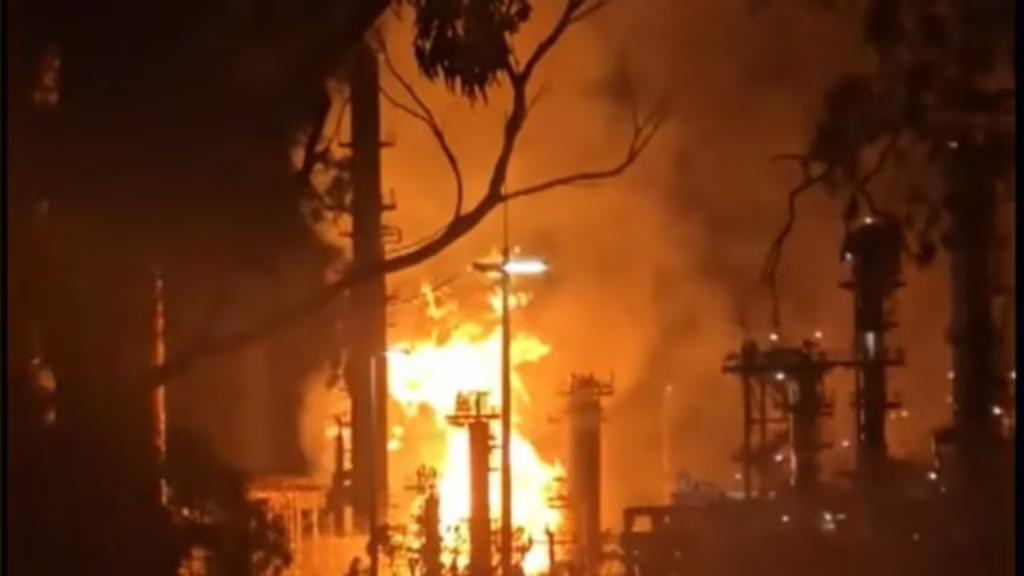
This incident adds further pressure to an already sensitive global fuel market. With ongoing geopolitical tensions and fluctuating crude oil prices, any disruption in refining capacity can have outsized effects.
Energy analysts often warn that refinery incidents—even when localized—can temporarily influence international fuel pricing trends, especially in the Asia-Pacific region.
📊 Final Outlook
While the situation is still developing, early signs suggest that Australia may experience short-term fuel supply tightening and price volatility until refinery operations stabilize or alternative supply routes are fully activated.
Authorities are expected to provide further updates once damage assessments are completed and operational timelines are clearer.
For now, consumers are advised to remain informed but not alarmed, as fuel supply systems are designed with multiple safeguards to handle exactly these types of disruptions.