

Sometimes People Buy a Property in Just 30 Seconds
A buyer walks into a home.
The sunlight hits the living room perfectly. The kitchen reminds them of something they imagined years ago. The backyard suddenly feels like the place where future family memories could happen. Within moments, something emotional takes over.
And that is exactly what most people misunderstand about real estate.
Property buying is rarely just about numbers.
People may tell themselves they are buying based on price, location, investment growth, or interest rates. But in reality, most buying decisions are deeply emotional. Logic may help justify the purchase later, but emotion usually makes the decision first.
Across Australia — especially throughout Melbourne’s rapidly changing property market — buyer psychology is becoming one of the most powerful forces shaping the industry.
Today’s buyers are not simply searching for homes.
They are searching for a feeling.
Why Property Feels So Personal
Unlike buying a car, phone, or investment stock, property carries emotional weight. A home becomes connected to identity, security, family dreams, personal success, and even self-worth.
That is why people often become emotionally attached to homes they have only seen once.
When buyers inspect a property, they are not just viewing walls, bedrooms, and floorplans. Their minds instantly begin imagining an entirely different future. They picture birthdays in the dining room, quiet mornings with coffee, children playing outside, or peaceful evenings after long workdays.
The emotional brain starts building a lifestyle story long before the logical brain finishes calculating the mortgage repayments.
This is why two homes with similar prices and layouts can create completely different emotional reactions.
One feels like “just another house.”
The other feels like “home.”
And that emotional difference can be worth hundreds of thousands of dollars in buyer behaviour.
The Australian Dream Has Become More Emotional Than Financial
For generations, Australians viewed property ownership as the ultimate symbol of stability and success. Owning a home meant security, independence, and financial achievement.
But today, the emotional meaning behind property ownership is evolving.
Younger Australians are no longer chasing giant homes purely for status. Instead, they are looking for homes that improve their quality of life. Buyers now care more about how a property makes them feel rather than simply how impressive it looks from the outside.
That shift explains why Melbourne’s outer suburbs are growing rapidly. Buyers are leaving expensive inner-city pressure behind and moving toward communities that offer space, lifestyle, flexibility, and peace of mind.
People are starting to ask different questions.
Not:
“How prestigious is this suburb?”
But:
“Can I actually enjoy my life here?”
That psychological change is quietly reshaping Australia’s entire property market.
Fear Is Secretly Driving Many Property Decisions
One of the strongest emotions influencing buyers today is fear.
Not fear of buying property.
Fear of missing out.
When people constantly hear headlines about rising prices, housing shortages, booming suburbs, and competitive auctions, the brain enters urgency mode. Buyers start worrying that if they do not act immediately, they may never have another opportunity.
This creates emotional pressure.
Suddenly buyers stretch their budgets. They overlook flaws. They compete aggressively at auctions. They make rushed decisions they never planned to make.
Social media has amplified this behaviour dramatically.
Every day people see others posting about:
- Buying their first home
- Building investment portfolios
- Moving into luxury properties
- Achieving “financial freedom”
Over time, this creates silent emotional competition.
People begin feeling left behind.
And in real estate, fear often pushes buyers harder than logic ever could.
Why Lifestyle Now Matters More Than Luxury
One of the biggest psychological shifts happening across Australia is the movement away from prestige-focused buying.
A decade ago, success was often measured by:
- Bigger homes
- Expensive suburbs
- Luxury interiors
- Prestige addresses
But modern buyers think differently.
After years of rising living costs, stressful work environments, long commutes, and global uncertainty, people are beginning to value peace, flexibility, and wellbeing more than status.
Today’s buyers are emotionally drawn toward:
- Walkable communities
- Green spaces
- Work-from-home functionality
- Cafés and lifestyle hubs
- Quiet family-friendly environments
- Low-maintenance living
For many Australians, true luxury now means having more time, less stress, and a better everyday lifestyle.
This is why even smaller homes with smart layouts are becoming highly attractive in Melbourne’s growth areas.
The emotional value of lifestyle is becoming stronger than the emotional value of prestige.
The Strange Power of “Dream Homes”
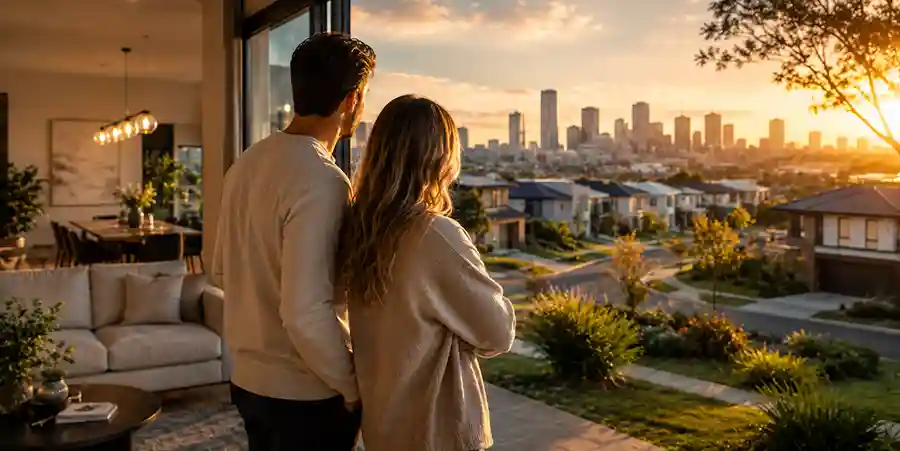
Most buyers have experienced it at least once.
You walk into a property and immediately feel emotionally connected to it — even if you cannot explain why.
Psychologists call this emotional anchoring.
Sometimes a home reminds people of childhood memories. Sometimes it reflects the future they dream about. Sometimes it simply creates comfort, warmth, or aspiration.
Once that emotional connection happens, buyers often stop thinking rationally.
This is why beautifully styled homes perform so well in the market. Good styling helps buyers emotionally visualise their future life inside the property.
People are not buying bricks and concrete.
They are buying imagined futures.
And imagined futures are emotionally powerful.
Why Smart Buyers Understand Both Emotion and Logic
Emotion itself is not bad.
In fact, emotional connection is an important part of choosing the right home.
The problem happens when emotion completely overrides logic.
The smartest property buyers understand how to balance both.
They allow themselves to emotionally connect with a home, while still carefully evaluating:
- Financial sustainability
- Long-term growth potential
- Location quality
- Market conditions
- Future lifestyle suitability
In today’s Australian property market, this balance is becoming more important than ever.
Because modern real estate is no longer driven only by economics.
It is driven by human behaviour.
The Future of Property Buying in Australia
The future buyer is changing rapidly.
Tomorrow’s buyers will likely continue prioritising:
- Emotional wellbeing
- Flexible lifestyles
- Community-focused living
- Smart home technology
- Sustainable environments
- Mental comfort over social status
This means the future of Australian real estate will become increasingly lifestyle-driven and psychologically influenced.
The properties that succeed in the future may not necessarily be the biggest or most luxurious.
They will be the homes that make people feel something.
Final Thoughts
The psychology behind property buying explains why real estate is unlike almost any other investment.
People do not simply buy homes because of numbers on paper.
They buy because of emotion, security, identity, hope, and future dreams.
That emotional connection is what drives auctions higher, shapes buyer behaviour, and transforms ordinary houses into highly desired homes.
And as Australia’s property market continues evolving, understanding human psychology may become just as valuable as understanding the market itself.
Because in the end, people may analyse property with logic —
—but they almost always buy with emotion.